Exam Stress and Mental Health: A Practical and Islamic Guide for Students
امتحان کا دباؤ اور ذہنی صحت — طلبہ کے لیے عملی اور اسلامی رہنمائی
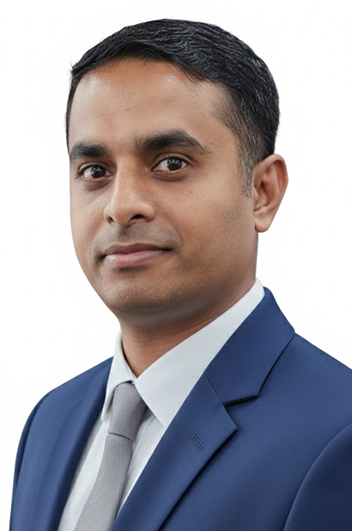
Imranul Haque Noor
An Engineer, an all time Learner and a Learning enabler.
🧠 Exam Stress and Mental Health: A Practical and Islamic Guide for Students
What exam pressure actually does to your mind and body, what the Qur'an and Sunnah say to a worried heart, and a 7-step toolkit you can start tonight — with every reference quoted and linked.
اردو ترجمہ — Urdu Translation
امتحان (Exam) کے دنوں میں سینے کا بوجھ، نیند کی کمی اور ذہن کا خالی ہو جانا — یہ سب کچھ ہر سال لاکھوں طلبہ پر گزرتا ہے۔ یہ مضمون دو چیزیں ایک ساتھ رکھتا ہے: وہ سادہ سائنس (Science) جو بتاتی ہے کہ دباؤ میں دماغ کے ساتھ کیا ہوتا ہے، اور ہمارے دین کی وہ روشنی جو پریشان دل کو سہارا دیتی ہے۔ ساتھ میں سات عملی قدم ہیں جو آپ آج رات سے شروع کر سکتے ہیں۔ ہر آیت اور حدیث مکمل حوالے کے ساتھ درج ہے۔
💭 Three weeks before the board exam
Bilal has been staring at the same page of his chemistry book for an hour. His eyes move; nothing goes in. His chest feels tight, his stomach hurts before every mock test, and at 1 a.m. he is scrolling topper interviews on his phone, feeling worse with each one. His mother thinks he is being lazy. His friend says just pray more. Neither is right — and neither is helping. What Bilal is feeling has a name, a mechanism, and a set of fixes. This post walks through them.
If any part of Bilal's night sounds like yours, keep reading. Nothing here requires money, an app subscription, or a personality transplant — just a little understanding and a few honest changes.
اردو ترجمہ — Urdu Translation
بلال ایک گھنٹے سے کیمسٹری (Chemistry) کا ایک ہی صفحہ دیکھ رہا ہے۔ آنکھیں چل رہی ہیں، مگر دماغ میں کچھ نہیں اتر رہا۔ سینہ تنگ ہے، ہر ٹیسٹ سے پہلے پیٹ میں گرہ پڑ جاتی ہے، اور رات ایک بجے وہ موبائل پر ٹاپرز (Toppers) کے انٹرویو دیکھ کر مزید پریشان ہو رہا ہے۔ والدہ سمجھتی ہیں کہ سستی ہے؛ دوست کہتا ہے بس دعا کرو۔ دونوں باتیں ادھوری ہیں۔ بلال جس کیفیت سے گزر رہا ہے اس کا ایک نام ہے، ایک وجہ ہے، اور اس کا علاج بھی ممکن ہے — اور اسی پر یہ مضمون ہے۔
📊 What exam stress actually is
Stress is not a character flaw. It is your body's alarm system — the same one that once helped humans escape real danger. When your brain decides an exam is a threat, it releases stress hormones that speed up your heart, tense your muscles, and sharpen your senses. In small doses this is useful: it is why you revise faster in the last week than in July.
The problem is dosage. Psychologists have known since 1908 — the Yerkes–Dodson experiments — that performance rises with moderate pressure and then collapses when pressure keeps climbing. Too little pressure and you never open the book; too much and you read the same line ten times, sleep badly, and go blank in the hall.
✅ Normal exam nerves
Butterflies before a paper, extra energy in the last week, a night of lighter sleep before results. This is the alert zone — your body helping you. It fades once the paper starts.
⚠️ Overload — time to act
Weeks of poor sleep, headaches or stomach aches, snapping at family, re-reading without retaining, dreading every study session. This is the overload zone — the toolkit below is written for exactly this.
اردو ترجمہ — Urdu Translation
دباؤ (Stress) کوئی کمزوری نہیں — یہ جسم کا الارم سسٹم (Alarm System) ہے۔ جب دماغ امتحان کو خطرہ سمجھتا ہے تو ایسے ہارمون (Hormones) خارج ہوتے ہیں جو دل کی دھڑکن تیز اور حواس چوکنا کر دیتے ہیں۔ تھوڑا سا دباؤ مفید ہے — اسی لیے آخری ہفتے میں تیاری تیز ہو جاتی ہے۔ مسئلہ مقدار کا ہے: ماہرینِ نفسیات 1908 سے جانتے ہیں کہ معتدل دباؤ کارکردگی (Performance) بڑھاتا ہے، مگر حد سے زیادہ دباؤ اسے گرا دیتا ہے۔ ہفتوں کی خراب نیند، سر درد، بار بار پڑھ کر بھی یاد نہ رہنا — یہ اوورلوڈ (Overload) کی علامتیں ہیں، اور نیچے کا ٹول کٹ (Toolkit) اسی کے لیے ہے۔
🌙 What our tradition says to a worried heart
Before the practical steps, settle one thing in your heart: feeling anxious is not a sign of weak iman. The Prophet ﷺ himself regularly sought refuge in Allah from al-hamm and al-hazan — worry and grief — in his daily duas. If worry were shameful, there would be no dua for it.
📖 “With hardship comes ease” — Qur'an 94:5–6
“For indeed, with hardship [will be] ease. Indeed, with hardship [will be] ease.” Repeated twice, back to back. The exam season feels endless from inside it; the verse insists it is not. Surah Ash-Sharh
📖 “No soul is burdened beyond its capacity” — Qur'an 2:286
The syllabus in front of you, the family expectations, the fear of results — the Qur'an's promise is that the total load you carry is within what you can bear. Al-Baqarah 2:286
📖 “Hearts find rest in the remembrance of Allah” — Qur'an 13:28
Dhikr is described as the thing by which hearts settle. Two quiet minutes of remembrance between study blocks is not wasted study time — it is maintenance for the instrument you study with. Ar-Ra'd 13:28
🕌 The believer's affair is all good — Sahih Muslim 2999
“Strange are the ways of a believer, for there is good in every affair of his… if he has an occasion to feel delight, he thanks (God)… and if he gets into trouble and shows resignation (and endures it patiently), there is a good for him in it.” A good result and a bad result are both workable. sunnah.com/muslim:2999
🐪 “Tie it and rely upon Allah” — Jami' at-Tirmidhi 2517
A man asked whether he should tie his camel and trust Allah, or leave it loose and trust Allah. The Prophet ﷺ said: “Tie it and rely upon Allah.” (Hasan — Darussalam). Tawakkul is revision plus trust — never trust instead of revision. sunnah.com/tirmidhi:2517
🤲 The Prophet's ﷺ own dua against worry — Sahih al-Bukhari 6369
“O Allah! I seek refuge with You from worry and grief, from incapacity and laziness, from cowardice and miserliness…” Memorise it for the exam season — it names exactly what a stressed student feels. sunnah.com/bukhari:6369
Anxiety is not a sin, and dua and doctors are not rivals
The Prophet ﷺ said: “There is no disease that Allah has created, except that He also has created its treatment” (Sahih al-Bukhari 5678). Seeking treatment — including for the mind — sits comfortably inside tawakkul, not outside it.
اردو ترجمہ — Urdu Translation
عملی قدموں سے پہلے ایک بات دل میں بٹھا لیجیے: پریشانی محسوس کرنا کمزور ایمان کی علامت نہیں۔ نبی کریم ﷺ خود روزانہ کی دعاؤں میں ہمّ اور حزن یعنی فکر اور غم سے پناہ مانگتے تھے (صحیح بخاری 6369)۔ قرآن فرماتا ہے: تنگی کے ساتھ آسانی ہے (الم نشرح 94:5–6)، اللہ کسی جان پر اس کی طاقت سے زیادہ بوجھ نہیں ڈالتا (البقرہ 2:286)، اور دلوں کا چین اللہ کے ذکر میں ہے (الرعد 13:28)۔ اونٹ والی حدیث (جامع ترمذی 2517، حسن) کا سبق یاد رکھیے: توکل کا مطلب ہے تیاری اور بھروسا — تیاری کی جگہ بھروسا نہیں۔ اور صحیح بخاری 5678 کے مطابق اللہ نے ہر بیماری کا علاج بھی اتارا ہے — اس لیے دعا اور علاج ایک دوسرے کے مقابل نہیں، ساتھی ہیں۔
🧰 The 7-step toolkit — start tonight
None of these steps is glamorous. Together they move you from the overload zone back toward peak focus on the curve above.
Guard your sleep like a topper guards notes
Sleep is when the brain files what you revised into long-term memory. Sleep researchers recommend 8–10 hours for teenagers. An all-nighter before a paper hands you a foggy brain exactly when you need a sharp one — sleep, and review your key points in the morning instead.
Revise with a plan, not with guilt
Guilt says read everything again. Evidence says test yourself: close the book, write what you remember, check, repeat — and space the repeats over days. Work in 25-minute focused blocks with 5-minute breaks, and give past papers the biggest share of your time.
Move your body every day
A 20–30 minute walk, cycle ride, or game burns off the stress hormones your body keeps producing at a desk. Think of it as draining the pressure valve — your revision after the walk will be sharper than the same hour spent slumped over the book.
Slow your breath for two minutes
When your chest is tight, breathe in slowly through the nose and let the exhale be longer than the inhale. A slow, long exhale signals your nervous system that the danger has passed. Two minutes, a few times a day, especially before you sit down to study.
Let salah be your built-in pause
Five daily prayers are five ready-made breaks: wudu cools you down, you physically step away from the desk, and for a few minutes the ranks and syllabus are replaced by something bigger. Many students find keeping salah during exam season gives usable focus rather than taking time.
Park your worries on paper
Before studying, write every worry on a page — the syllabus is huge, Abbu's expectations, what if I blank out — then fold it away and open the book. The worries are parked, not ignored. End the day with the dua of Bukhari 6369 and hand the list to Allah.
Protect your mind from comparison
Topper interviews and study-vlogs at 1 a.m. are poison for a stressed mind. Keep the phone in another room during study blocks, and mute accounts that leave you feeling behind. Your only real competitor is yesterday's version of you.
Make it small. Do not attempt all seven steps tomorrow. Pick two — sleep and the 25-minute blocks are the highest-leverage pair — and add one more each week.
اردو ترجمہ — Urdu Translation
سات قدم، آج رات سے: (1) نیند کی حفاظت — نوعمروں کے لیے ماہرین 8 تا 10 گھنٹے تجویز کرتے ہیں؛ رات بھر جاگ کر پڑھنا امتحان کے دن دماغ کو دھندلا کر دیتا ہے۔ (2) منصوبے سے دہرائی — کتاب بند کر کے خود کو ٹیسٹ (Test) کیجیے اور دہرائی کو دنوں پر پھیلائیے؛ 25 منٹ کے فوکس بلاک (Focus Blocks) بنائیے۔ (3) روزانہ جسمانی حرکت — بیس منٹ کی چہل قدمی دباؤ کے ہارمون خرچ کر دیتی ہے۔ (4) دو منٹ کی آہستہ سانس — سانس باہر چھوڑنے کو لمبا کیجیے۔ (5) نماز کو قدرتی وقفہ بنائیے — وضو، میز سے دوری، اور چند منٹ کے لیے نصاب سے بڑی چیز کی یاد۔ (6) فکریں کاغذ پر — پڑھائی سے پہلے ساری پریشانیاں لکھ کر تہہ کر دیجیے اور دن کے آخر میں بخاری 6369 کی دعا کے ساتھ اللہ کے حوالے کیجیے۔ (7) موازنے سے حفاظت — پڑھائی کے وقت موبائل (Mobile) دوسرے کمرے میں؛ آپ کا مقابلہ صرف کل کے اپنے آپ سے ہے۔ ایک ساتھ ساتوں نہیں — پہلے دو چنیے۔
⚖️ Swap the habit, keep the goal
You do not need more willpower — you need better trades. Same goal, smarter route:
| Habit that feels productive | Swap that actually works |
|---|---|
| All-nighter before the paper | Full sleep + 30-minute key-points review in the morning |
| Re-reading the chapter a fifth time | Closed-book self-test, then re-read only what you missed |
| Six cups of chai to stay awake | Water, a few dates, and a 10-minute walk |
| Scrolling topper reels “for motivation” | Phone in another room; one page of your own past-paper progress |
| “If I fail, my life is over” | “This paper is one step, not the verdict” + one small next action |
| Skipping salah to “save time” | Salah as the built-in break between study blocks |
اردو ترجمہ — Urdu Translation
آپ کو زیادہ قوتِ ارادی نہیں، بہتر سودے چاہییں: رات بھر جاگنے کی جگہ پوری نیند اور صبح آدھے گھنٹے کی دہرائی؛ پانچویں بار پڑھنے کی جگہ کتاب بند کر کے خود کو ٹیسٹ کرنا؛ چھ کپ چائے کی جگہ پانی، کھجور اور دس منٹ کی واک (Walk)؛ ٹاپرز کی ریلز (Reels) کی جگہ اپنی پیش رفت کا ایک صفحہ؛ ”فیل ہوا تو زندگی ختم“ کی جگہ ”یہ پرچہ ایک قدم ہے، فیصلہ نہیں“؛ اور نماز چھوڑ کر وقت بچانے کی جگہ نماز ہی کو مطالعے کا وقفہ بنانا۔
📝 Exam-day first aid
Exam-day stress has two danger points: the morning before, and the moment in the hall when your mind goes blank. For the morning: wake with enough margin that nothing is rushed, eat something light, glance only at your one-page key-points sheet (never open the full book — it only finds you things you “don't know”), and walk out with Bismillah.
For the blank-mind moment in the hall, use this 90-second routine:
Why the easiest question first? Answering anything — even a 1-mark question — proves to your brain that recall still works. Momentum returns, and the harder questions reopen. Blanking out is a wave: it rises, peaks, and passes.
After the paper: no post-mortem at the gate. Comparing answers changes nothing about that paper and raises your pressure for the next one. Say alhamdulillah, eat, rest, and prepare for what is still in your hands.
اردو ترجمہ — Urdu Translation
امتحان کے دن دو نازک لمحے ہوتے ہیں: صبح کی گھبراہٹ اور ہال (Hall) میں ذہن کا خالی ہو جانا۔ صبح: وقت سے جاگیے، ہلکا ناشتہ کیجیے، صرف اپنی ایک صفحے کی خلاصہ شیٹ (Key-Points Sheet) دیکھیے — پوری کتاب ہرگز نہ کھولیے — اور بسم اللہ کہہ کر نکلیے۔ ہال میں ذہن خالی ہو جائے تو نوے سیکنڈ کا نسخہ: پہچانیے کہ یہ گھبراہٹ ہے، ناکامی نہیں؛ پانچ آہستہ سانسیں لمبی سانس باہر چھوڑتے ہوئے؛ دل میں حَسْبُنَا اللہُ وَنِعْمَ الْوَکِیل (آل عمران 3:173)؛ پاؤں، کرسی اور قلم پر توجہ؛ پھر سب سے آسان سوال سے آغاز۔ گھبراہٹ لہر کی طرح آتی ہے اور گزر جاتی ہے۔ پرچے کے بعد گیٹ پر جوابوں کا موازنہ مت کیجیے — الحمدللہ کہیے اور اگلے پرچے کی تیاری کیجیے۔
🚨 When it is more than stress
Some seasons need more than a toolkit
If for weeks you can hardly sleep or eat, nothing feels worth doing, you feel hopeless about everything (not just one exam), or thoughts of harming yourself appear — this is beyond ordinary exam stress, and it deserves real help, today, not after the results.
Here is what real help looks like, in order:
- Tell one trusted person — a parent, an elder sibling, a teacher, an ustadh. Carrying it alone is the hardest way to carry it.
- Call 14416 — Tele-MANAS, the Government of India's free, confidential mental-health helpline. It runs 24×7 and works in Hindi, English, and many regional languages. There is no fee and no record follows you to school or college.
- See a doctor if it persists — the same way you would for a fever that will not break. Remember Bukhari 5678: every disease has a treatment.
And hold on to Sahih Muslim 2664: “A strong believer is better and more lovable to Allah than a weak believer… seek help from Allah and do not lose heart.” (sunnah.com/muslim:2664). Asking for help is what the strong actually do.
اردو ترجمہ — Urdu Translation
اگر ہفتوں تک نیند اور کھانا متاثر رہے، ہر چیز بے معنی لگے، مایوسی صرف ایک امتحان کی نہیں بلکہ ہر چیز کی ہو، یا خود کو نقصان پہنچانے کے خیال آئیں — تو یہ عام امتحانی دباؤ سے آگے کی بات ہے اور اسے آج ہی حقیقی مدد چاہیے۔ پہلا قدم: کسی ایک قابلِ اعتماد شخص کو بتائیے — والدین، بڑے بہن بھائی، استاد۔ دوسرا: 14416 پر کال کیجیے — ٹیلی مانس (Tele-MANAS)، حکومتِ ہند کی مفت اور رازدارانہ ہیلپ لائن، جو چوبیس گھنٹے ہندی، انگریزی اور کئی علاقائی زبانوں میں کام کرتی ہے۔ تیسرا: اگر کیفیت برقرار رہے تو ڈاکٹر (Doctor) سے ملیے — ویسے ہی جیسے نہ اترنے والے بخار کے لیے ملتے ہیں۔ اور صحیح مسلم 2664 یاد رکھیے: طاقتور مومن اللہ کو زیادہ محبوب ہے — اللہ سے مدد مانگو اور ہمت نہ ہارو۔ مدد مانگنا ہی طاقتوروں کا طریقہ ہے۔
👨👩👧 A word for parents and elders
Your calm is contagious — and so is your panic
A child's marks are not a scoreboard of your parenting or their worth. In exam season, the most powerful sentences at home are: “I am with you whatever the result”, “sleep now, the book will be there tomorrow”, and — hardest of all — silence about other people's children. A student who feels safe at home has one less exam to sit.
اردو ترجمہ — Urdu Translation
والدین اور بزرگوں کے لیے ایک بات: آپ کا سکون بھی متعدی ہے اور آپ کی گھبراہٹ بھی۔ بچے کے نمبر آپ کی تربیت یا اس کی قدر کا پیمانہ نہیں۔ امتحان کے موسم میں گھر کے طاقتور ترین جملے یہ ہیں: ”نتیجہ جو بھی ہو، ہم تمہارے ساتھ ہیں“، ”اب سو جاؤ، کتاب کل بھی یہیں ہوگی“، اور — سب سے مشکل — دوسروں کے بچوں کا ذکر نہ کرنا۔ جس طالب علم کو گھر میں تحفظ ملے، اس کا ایک امتحان کم ہو جاتا ہے۔
🚀 After the exam: marks are not the end of your story
Results decide which door opens next — they do not decide who you are, and they are not the last door. Careers today are built by people who keep learning after the marksheet is filed away. When this exam season ends, spend some of the freed-up hours building a skill the marksheet never tested.
Start free on Madarsa: the bilingual Basic Computer & Digital Skills course (English + Urdu) costs nothing and is a gentle first step from exam mode into skill mode.
And on the hard nights, come back to the two lines this whole post stands on: tie your camel — do the honest revision that is in your hands — and rely upon Allah for everything that is not. With hardship comes ease. Twice promised.
اردو ترجمہ — Urdu Translation
نتیجہ صرف یہ طے کرتا ہے کہ اگلا دروازہ کون سا کھلے گا — یہ طے نہیں کرتا کہ آپ کون ہیں، اور یہ آخری دروازہ بھی نہیں۔ امتحان کا موسم ختم ہو تو خالی ہونے والے گھنٹوں میں کوئی ایسا ہنر (Skill) سیکھیے جو مارک شیٹ (Marksheet) نے کبھی نہیں جانچا — مدرسہ پلیٹ فارم پر بنیادی کمپیوٹر اور ڈیجیٹل مہارتوں (Basic Computer & Digital Skills) کا دو لسانی کورس بالکل مفت ہے۔ اور مشکل راتوں میں انہی دو جملوں کی طرف لوٹیے: اونٹ باندھو — یعنی جو تیاری آپ کے بس میں ہے وہ ایمانداری سے کرو — اور باقی ہر چیز کے لیے اللہ پر بھروسا رکھو۔ تنگی کے ساتھ آسانی ہے — دو بار کا وعدہ ہے۔
📚 Sources
- Qur'an: Ash-Sharh 94:5–6; Al-Baqarah 2:286; Ar-Ra'd 13:28; Aal Imran 3:173 — quran.com
- Sahih al-Bukhari 6369 (dua against worry and grief), 5678 (every disease has a treatment) — sunnah.com
- Sahih Muslim 2999 (the believer's affair is all good), 2664 (the strong believer) — sunnah.com
- Jami' at-Tirmidhi 2517 — “Tie it and rely upon Allah” (Hasan, Darussalam) — sunnah.com
- Yerkes, R. M. & Dodson, J. D. (1908) — the pressure–performance relationship in psychology
- Tele-MANAS national mental-health helpline 14416 — Ministry of Health & Family Welfare, Government of India
Hadith grades are as printed on sunnah.com. This article is general educational guidance, not medical or psychiatric advice, and promises no specific result. If you are in distress, please reach out to a trusted person, call 14416, or consult a qualified professional.
اردو ترجمہ — Urdu Translation
حوالہ جات: قرآن — الم نشرح 94:5–6، البقرہ 2:286، الرعد 13:28، آل عمران 3:173 (quran.com)؛ صحیح بخاری 6369 اور 5678؛ صحیح مسلم 2999 اور 2664؛ جامع ترمذی 2517 (حسن — دارالسلام) — sunnah.com؛ یرکس اور ڈوڈسن (Yerkes & Dodson) 1908؛ ٹیلی مانس ہیلپ لائن 14416 — حکومتِ ہند۔ یہ مضمون عمومی تعلیمی رہنمائی ہے، طبی مشورہ نہیں۔
Enjoyed this article?
Subscribe to our newsletter for more articles, tutorials, and insights delivered straight to your inbox.
Related Posts

NIOS Open Schooling: How to Complete 10th and 12th From Home
NIOS is the Government of India's open school board — no daily attendance, no upper age limit, five subjects to pass and five years to do it in. This bilingual guide covers eligibility, the subject scheme, admission blocks, fees, the study-centre system, and what it all means for madrasa students.
Imranul Haque Noor
Nov 13, 2026