The Importance of Seeking Knowledge (Ilm) in Islam — Authentic Sources
اسلام میں طلبِ علم کی اہمیت — مستند حوالوں کے ساتھ
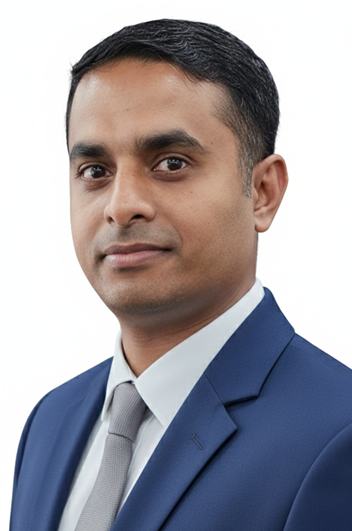
Imranul Haque Noor
An Engineer, an all time Learner and a Learning enabler.
📖 The Importance of Seeking Knowledge (Ilm) in Islam
What the Qur'an and the authentic Sunnah actually say about ilm — the verses, the graded narrations, the famous quotes that turn out not to be hadith at all, and a practical path for a learner in 2026.
Almost every Muslim has heard that Islam values knowledge. Fewer of us can name the verse, the hadith, and its grade. This article does that work: every quotation below is given with its exact reference, and where a much-loved saying has no authentic chain, we say so plainly.
اردو ترجمہ — Urdu Translation
ہم میں سے تقریباً ہر شخص نے سنا ہے کہ اسلام علم کو بہت اہمیت دیتا ہے۔ لیکن آیت، حدیث اور اُس کا درجہ (Grade) کم لوگ بتا پاتے ہیں۔ اس مضمون میں ہر حوالہ اپنے مکمل نمبر کے ساتھ دیا گیا ہے — اور جہاں کوئی مشہور قول سند کے اعتبار سے ثابت نہیں، وہاں صاف لکھ دیا گیا ہے۔
🌙 It began with one word — Iqra'
The first revelation did not begin with a law, a battle order, or a promise of wealth. It began with a command to read. Five short verses — and inside them, the pen is mentioned, and teaching is mentioned twice.
Surah Al-Alaq 96:1–5
“Recite in the name of your Lord who created — created man from a clinging substance. Recite, and your Lord is the most Generous — who taught by the pen — taught man that which he knew not.”
Translation: Saheeh International, via quran.com/96
Read that ordering again. Before prayer was prescribed, before fasting, before the rules of trade or marriage — the very first instruction was read, and the very first attribute of God mentioned after creation is that He taught. A tradition that opens this way is not neutral about learning; it is built on it.
اردو ترجمہ — Urdu Translation
پہلی وحی کسی حکمِ جنگ یا وعدۂ دولت سے شروع نہیں ہوئی — وہ پڑھنے کے حکم سے شروع ہوئی۔ سورۃ العلق (Surah Al-Alaq) کی پہلی پانچ آیات میں قلم (Pen) کا ذکر ہے اور سکھانے کا ذکر دو بار ہے: "پڑھو اپنے رب کے نام سے جس نے پیدا کیا... جس نے قلم کے ذریعے سکھایا، انسان کو وہ سکھایا جو وہ نہیں جانتا تھا۔"
نماز، روزہ اور معاملات کے احکام بعد میں آئے۔ سب سے پہلا حکم پڑھنا تھا، اور خالق کی پہلی صفت جو تخلیق کے بعد بیان ہوئی وہ یہ ہے کہ اُس نے سکھایا۔
📖 What the Qur'an says about knowledge
These are not scattered hints. The Qur'an returns to ilm as a theme: who has it, who asks for more of it, and what it does to a person who carries it honestly.
📿 Surah Ta-Ha 20:114 — the one increase to ask for
“And say: My Lord, increase me in knowledge.” A short supplication a learner can say before opening any book. quran.com/20/114
⚖️ Surah Az-Zumar 39:9 — a question left open
“Say: Are those who know equal to those who do not know?” The verse does not answer it. It leaves the question standing so the reader answers it themselves. quran.com/39/9
🪜 Surah Al-Mujadila 58:11 — rank, not applause
“Allah will raise those who have believed among you and those who were given knowledge, by degrees.” Faith and knowledge are named together. quran.com/58/11
🌾 Surah Fatir 35:28 — the test of real knowledge
“Only those fear Allah, from among His servants, who have knowledge.” Knowledge that produces arrogance instead of awe has failed its own test. quran.com/35/28
🙋 Surah An-Nahl 16:43 — asking is the method
“So ask the people of the message if you do not know.” Not knowing is normal. Staying in that state while a teacher is available is the problem. quran.com/16/43
اردو ترجمہ — Urdu Translation
قرآن میں علم کا ذکر بکھرے ہوئے اشاروں کی صورت میں نہیں، بلکہ ایک مستقل موضوع کے طور پر آتا ہے:
- سورۃ طٰہٰ ۲۰:۱۱۴ — "اور کہو: اے میرے رب! میرے علم میں اضافہ فرما۔" یہ وہ دعا ہے جو ہر کتاب کھولنے سے پہلے پڑھی جا سکتی ہے۔
- سورۃ الزمر ۳۹:۹ — "کہہ دیجیے: کیا جاننے والے اور نہ جاننے والے برابر ہو سکتے ہیں؟" آیت جواب نہیں دیتی؛ سوال قاری پر چھوڑ دیتی ہے۔
- سورۃ المجادلہ ۵۸:۱۱ — "اللہ تم میں سے ایمان والوں کے اور جنہیں علم دیا گیا اُن کے درجات بلند فرمائے گا۔" ایمان اور علم ایک ساتھ ذکر ہوئے ہیں۔
- سورۃ فاطر ۳۵:۲۸ — "اللہ سے اُس کے بندوں میں سے وہی ڈرتے ہیں جو علم رکھتے ہیں۔" جو علم تکبر (Arrogance) پیدا کرے، وہ اپنے ہی امتحان میں ناکام ہے۔
- سورۃ النحل ۱۶:۴۳ — "اگر تم نہیں جانتے تو اہلِ ذکر سے پوچھ لو۔" نہ جاننا عیب نہیں؛ استاد کے ہوتے ہوئے نہ پوچھنا عیب ہے۔
🕌 What the Prophet ﷺ said — narration by narration
Below, each narration is given with the collection and number so you can open it yourself. Where scholars have recorded a grade, the grade is stated as it appears on sunnah.com.
🛤️ Sahih Muslim 2699 — the road that shortens
“He who treads a path in search of knowledge, Allah would make that path easy, leading to Paradise for him.” Part of a longer narration of Abu Hurayrah on relieving hardship and concealing faults. sunnah.com/muslim:2699
🕊️ Sunan Abi Dawud 3641 — heirs, not inheritors of gold
“The angels lower their wings in their great pleasure with one who seeks knowledge... The learned are the heirs of the Prophets, and the Prophets leave neither dinar nor dirham, leaving only knowledge.” Graded Sahih on sunnah.com. sunnah.com/abudawud:3641
♾️ Sahih Muslim 1631 — the three that continue
“When a man dies, his acts come to an end, but three: recurring charity, or knowledge by which people benefit, or a pious child who prays for him.” Teaching one person to read is on that list. sunnah.com/muslim:1631
🌟 Sahih al-Bukhari 71 — understanding as a sign of good
“If Allah wants to do good to a person, He makes him comprehend the religion.” Also in Sahih Muslim 1037. Comprehension (fiqh) is named, not mere memorisation. sunnah.com/bukhari:71
📣 Sahih al-Bukhari 3461 — the low bar for teaching
“Convey from me, even if it is one verse.” You do not need an ijazah to pass on the one thing you learned correctly today. The same narration warns severely against attributing to him what he did not say. sunnah.com/bukhari:3461
🛡️ Sahih Muslim 2722 — the supplication that filters
Among the Prophet's ﷺ regular supplications: “O Allah, I seek refuge in You from knowledge which does not benefit.” Useful knowledge is a category, and it is asked for deliberately. sunnah.com/muslim:2722
The most-quoted one, handled honestly: “Seeking knowledge is a duty upon every Muslim” appears in Sunan Ibn Majah 224. The Darussalam grading on that page reads “Chain is Da'if Jaddan (very weak)” for the full text — with an explicit note that “Seeking knowledge is a duty upon every Muslim” is authentic through many sources, but the remaining text is not acceptable. So the famous clause stands; the “pearls around the neck of swine” sentence that usually gets quoted with it does not.
اردو ترجمہ — Urdu Translation
ذیل میں ہر روایت اپنے مجموعے اور نمبر کے ساتھ ہے تاکہ آپ خود دیکھ سکیں۔ جہاں علما نے درجہ (Grade) لکھا ہے، وہ sunnah.com کے مطابق درج ہے:
- صحیح مسلم ۲۶۹۹ — "جو شخص علم کی تلاش میں کوئی راستہ چلتا ہے، اللہ اُس کے لیے جنت کا راستہ آسان کر دیتا ہے۔"
- سنن ابی داؤد ۳۶۴۱ (درجہ: صحیح) — "فرشتے طالبِ علم کی خوشنودی میں اپنے پر بچھا دیتے ہیں... علما انبیا کے وارث ہیں، اور انبیا دینار و درہم نہیں چھوڑتے، وہ صرف علم چھوڑتے ہیں۔"
- صحیح مسلم ۱۶۳۱ — "جب انسان مر جاتا ہے تو اُس کے اعمال منقطع ہو جاتے ہیں سوائے تین کے: صدقۂ جاریہ، وہ علم جس سے نفع اٹھایا جائے، یا نیک اولاد جو اُس کے لیے دعا کرے۔"
- صحیح بخاری ۷۱ (اور صحیح مسلم ۱۰۳۷) — "اللہ جس کے ساتھ بھلائی کا ارادہ فرماتا ہے، اُسے دین کی سمجھ عطا کر دیتا ہے۔" یہاں سمجھ (Fiqh) کا ذکر ہے، محض یاد کر لینے کا نہیں۔
- صحیح بخاری ۳۴۶۱ — "میری طرف سے پہنچا دو، اگرچہ ایک آیت ہی ہو۔" اسی روایت میں نبی ﷺ کی طرف جھوٹی بات منسوب کرنے پر سخت وعید بھی ہے۔
- صحیح مسلم ۲۷۲۲ — نبی ﷺ کی مستقل دعاؤں میں: "اے اللہ! میں اُس علم سے تیری پناہ چاہتا ہوں جو نفع نہ دے۔"
سب سے زیادہ نقل ہونے والی روایت: "طلبِ علم ہر مسلمان پر فرض ہے" — سنن ابن ماجہ ۲۲۴۔ اُس صفحے پر دارالسلام کی گریڈنگ پوری روایت کی سند کو "ضعیف جدًا" کہتی ہے، مگر ساتھ ہی یہ وضاحت بھی موجود ہے کہ پہلا جملہ ("طلبِ علم ہر مسلمان پر فرض ہے") کئی دوسری سندوں سے ثابت ہے، جبکہ اس کے ساتھ جُڑا باقی متن قابلِ قبول نہیں۔
⚖️ Four famous sayings — and what they really are
Some of the most repeated "hadith" about knowledge on WhatsApp and school walls are not hadith. The meanings may be fine; the attribution is not. This matters because the warning against false attribution sits inside the very narration that tells us to teach.
| The saying | Status | What to do with it |
|---|---|---|
| “Whoever treads a path seeking knowledge, Allah makes easy for him a path to Paradise” | Sahih — Sahih Muslim 2699 | Quote it freely, with the reference. |
| “The scholars are the heirs of the Prophets” | Sahih — Sunan Abi Dawud 3641 | Quote it freely, with the reference. |
| “Seeking knowledge is a duty upon every Muslim” | Clause authentic via multiple chains — see the note on Ibn Majah 224 | Quote the clause; drop the extra sentence attached to it in that narration. |
| “Seek knowledge even if you must go to China” | Very weak / rejected by hadith critics | Use it as a proverb if you like — do not attribute it to the Prophet ﷺ. |
| “Seek knowledge from the cradle to the grave” | No known chain of narration | A fine motto. Not a hadith. Say “as the saying goes”. |
| “The ink of the scholar is weighed against the blood of the martyr” | No authentic chain | Skip it. Sahih Muslim 1631 makes the same point authentically. |
Why we are strict about this
The same narration that permits any of us to teach — “Convey from me, even one verse” — ends with a warning about deliberately attributing a false statement to the Prophet ﷺ (Sahih al-Bukhari 3461). Loving a saying is not evidence for it. When you are unsure, say “I have heard” instead of “the Prophet ﷺ said”.
اردو ترجمہ — Urdu Translation
واٹس ایپ اور اسکول کی دیواروں پر علم کے بارے میں جو کچھ "حدیث" کے نام سے سب سے زیادہ لکھا جاتا ہے، اُن میں سے کئی اقوال حدیث نہیں ہیں۔ مفہوم اچھا ہو سکتا ہے، مگر نسبت (Attribution) درست نہیں:
- "جو علم کی راہ چلے..." — صحیح (صحیح مسلم ۲۶۹۹)۔ حوالے کے ساتھ بلا جھجک نقل کریں۔
- "علما انبیا کے وارث ہیں" — صحیح (سنن ابی داؤد ۳۶۴۱)۔
- "طلبِ علم ہر مسلمان پر فرض ہے" — یہ جملہ کئی سندوں سے ثابت ہے؛ ابن ماجہ ۲۲۴ کے ساتھ جُڑا باقی متن نہیں۔
- "علم حاصل کرو خواہ چین جانا پڑے" — محدثین کے نزدیک سخت ضعیف۔ کہاوت کے طور پر کہہ لیجیے، نبی ﷺ کی طرف منسوب نہ کیجیے۔
- "گہوارے سے قبر تک علم حاصل کرو" — کوئی سند معلوم نہیں۔ اچھا مقولہ ہے، حدیث نہیں۔
- "عالم کی سیاہی شہید کے خون سے..." — کوئی صحیح سند نہیں۔ یہی بات صحیح مسلم ۱۶۳۱ سے مستند طریقے پر ثابت ہے۔
ہم اس میں سختی کیوں کرتے ہیں؟ جس روایت میں ہمیں تعلیم دینے کی اجازت ملی — "میری طرف سے پہنچا دو، اگرچہ ایک آیت ہی ہو" — اُسی کے آخر میں نبی ﷺ کی طرف جھوٹ منسوب کرنے پر وعید ہے (صحیح بخاری ۳۴۶۱)۔ کسی بات کا پیارا لگنا اُس کی دلیل نہیں۔ شک ہو تو کہیے "میں نے سنا ہے"، نہ کہ "نبی ﷺ نے فرمایا"۔
🧭 Which knowledge? The classical answer is wider than you think
Classical jurists split obligations into two kinds, and Imam al-Ghazali opens his Ihya' Ulum al-Din with exactly this discussion. The distinction settles a lot of modern arguments.
👤 Fard ayn — obligatory on you personally
What you cannot practise your faith without: how to pray correctly, what makes your income lawful, the rights of the people in your house. Nobody can discharge this on your behalf.
👥 Fard kifayah — obligatory on the community
Medicine, agriculture, engineering, accounting, law, teaching. If enough people learn it, the obligation lifts from everyone. If nobody does, the whole community carries the blame.
🔬 So where do the sciences sit?
Under fard kifayah. A community with no doctors is a community with an unmet religious obligation, not merely an inconvenience. This is why the tradition produced people like Ibn al-Haytham (c. 965–1040), whose Book of Optics argued that claims must be tested by experiment, and al-Khwarizmi (c. 780–850), from whose name the word algorithm descends and from whose book title we get algebra.
🎯 Intention is what makes it worship
The same hour spent on a spreadsheet is either neutral work or an act of service, depending on what it is for. Fard kifayah knowledge pursued to serve people is not a detour from religion.
🚫 What the tradition does not say
It does not say every Muslim must become a scholar, and it does not rank a sincere technician below a careless student of texts. Sahih al-Bukhari 71 praises comprehension, and comprehension has many fields.
اردو ترجمہ — Urdu Translation
فقہا نے فرائض کو دو قسموں میں تقسیم کیا ہے، اور امام غزالیؒ نے احیاء علوم الدین کا آغاز اسی بحث سے کیا ہے:
- فرضِ عین (Fard Ayn) — وہ علم جس کے بغیر آپ اپنا دین ادا نہیں کر سکتے: درست نماز، حلال کمائی کے اصول، گھر والوں کے حقوق۔ یہ کوئی دوسرا آپ کی طرف سے ادا نہیں کر سکتا۔
- فرضِ کفایہ (Fard Kifayah) — طب، زراعت، انجینئرنگ، حساب داری، قانون، تدریس۔ اگر کچھ لوگ سیکھ لیں تو سب سے ذمہ داری اُٹھ جاتی ہے؛ اگر کوئی نہ سیکھے تو پوری برادری جواب دہ ہے۔
یعنی جدید علوم (Modern Sciences) دین سے باہر کی چیز نہیں۔ جس معاشرے میں ڈاکٹر نہ ہوں، وہاں صرف تکلیف نہیں — ایک دینی ذمہ داری غیر ادا شدہ ہے۔ اسی روایت نے ابن الہیثم (تقریباً ۹۶۵ء–۱۰۴۰ء) جیسے لوگ پیدا کیے جنہوں نے کتاب المناظر (Book of Optics) میں تجربے (Experiment) سے جانچنے پر زور دیا، اور الخوارزمی (تقریباً ۷۸۰ء–۸۵۰ء) جن کے نام سے لفظ الگورتھم (Algorithm) اور جن کی کتاب کے عنوان سے الجبرا (Algebra) نکلا۔
نیت ہی اس کام کو عبادت بناتی ہے۔ اور یاد رہے: روایت یہ نہیں کہتی کہ ہر مسلمان عالم بن جائے — صحیح بخاری ۷۱ میں سمجھ کی تعریف ہے، اور سمجھ کے میدان بہت سے ہیں۔
🕰️ A thousand-year habit of building schools
The clearest evidence of how seriously this was taken is not a quotation — it is a building programme that ran for centuries.
🤝 624 CE — literacy as a ransom
After the battle of Badr, captives who could write were reported to have earned their freedom by teaching ten children of Madinah to write — narrated in Musnad Ahmad and recorded in the classical sirah literature. Ransom was normally paid in money; here it was paid in literacy.
🏛️ 859 CE — al-Qarawiyyin, Fez
Founded by Fatima al-Fihri, and listed by UNESCO and Guinness World Records as the oldest existing, continually operating degree-granting institution in the world. Founded by a woman, from her inheritance.
📚 c. 830 — Baghdad
Under the caliph al-Ma'mun (r. 813–833), Abbasid Baghdad ran translation and study circles that moved Greek, Persian and Indian works into Arabic — and then argued with them rather than only copying them.
🕌 970–972 — al-Azhar, Cairo
Built as a congregational mosque, teaching began within a few years, and it has functioned as a centre of learning for over a thousand years.
The pattern to notice: the response to “knowledge is important” was never a slogan. It was institutions, endowments, salaried teachers, libraries, and a chain of transmission (sanad) that recorded who learned what from whom.
اردو ترجمہ — Urdu Translation
اس بات کی سب سے واضح دلیل کوئی اقتباس نہیں، بلکہ صدیوں پر پھیلا ہوا ادارے بنانے کا سلسلہ ہے:
- ۶۲۴ء — بدر کے قیدی: جو قیدی لکھنا جانتے تھے، اُن کے بارے میں مروی ہے کہ اُنہوں نے مدینہ کے دس بچوں کو لکھنا سکھا کر آزادی حاصل کی (مسند احمد اور کتبِ سیرت)۔ فدیہ عام طور پر مال میں دیا جاتا تھا؛ یہاں فدیہ تعلیم تھی۔
- تقریباً ۸۳۰ء — بغداد: خلیفہ مامون (دورِ حکومت ۸۱۳ء–۸۳۳ء) کے زمانے میں یونانی، فارسی اور ہندی علوم کے تراجم اور مطالعے کی مجلسیں عروج پر تھیں — اور اُن پر صرف نقل نہیں، بحث بھی ہوتی تھی۔
- ۸۵۹ء — جامعہ القرویین، فاس: فاطمہ الفہری نے اپنی وراثت سے قائم کی۔ گنیز ورلڈ ریکارڈز (Guinness World Records) اسے آج تک کام کرنے والا قدیم ترین اعلیٰ تعلیمی ادارہ (مراکش، ۸۵۹ء) شمار کرتا ہے۔ اسے پہلی "یونیورسٹی" کہنا مؤرخین کے ہاں بحث طلب ہے؛ ہزار سال سے زائد مسلسل تدریس پر اختلاف نہیں۔
- ۹۷۰ء–۹۷۲ء — الازہر، قاہرہ: پہلے جامع مسجد کے طور پر تعمیر ہوئی، چند برسوں میں تدریس شروع ہو گئی، اور ہزار سال سے زائد عرصے سے مرکزِ علم ہے۔
غور کیجیے: "علم اہم ہے" کا جواب کبھی نعرہ نہیں تھا — جواب ادارے، اوقاف، تنخواہ دار اساتذہ، کتب خانے، اور سند کا وہ سلسلہ تھا جس میں لکھا جاتا تھا کہ کس نے کس سے کیا سیکھا۔
🌱 Knowledge is judged by what it changes
Two of the narrations above are quietly uncomfortable. Surah Fatir 35:28 ties knowledge to awe, not to status. And the Prophet ﷺ sought refuge from knowledge that brings no benefit (Sahih Muslim 2722) — which only makes sense if such knowledge exists.
Every teacher has met the student who can recite the definition of patience and cannot sit through a difficult evening. And every teacher has met the quiet one who learned one hadith about neighbours and started checking on the widow next door. The second student understood more.
The adab that comes with it
The classical manuals of study spend as many pages on conduct as on content: sit with a teacher rather than only with books, ask without embarrassment (16:43), do not argue to win, and pass on what you learn without waiting to be an authority (Sahih al-Bukhari 3461).
اردو ترجمہ — Urdu Translation
اوپر کی دو روایتیں خاموشی سے کچھ سخت بات کہتی ہیں۔ سورۃ فاطر ۳۵:۲۸ علم کو خشیت سے جوڑتی ہے، مرتبے سے نہیں۔ اور نبی ﷺ نے اُس علم سے پناہ مانگی جو نفع نہ دے (صحیح مسلم ۲۷۲۲) — یعنی ایسا علم موجود ہو سکتا ہے۔
ہر استاد نے وہ طالب علم دیکھا ہے جو صبر کی تعریف حفظ کر لیتا ہے مگر ایک مشکل شام برداشت نہیں کر پاتا؛ اور وہ خاموش طالب علم بھی دیکھا ہے جس نے پڑوسیوں کے بارے میں ایک حدیث پڑھی اور اگلے دن پڑوس کی بیوہ کی خیریت پوچھنے چلا گیا۔ دوسرے نے زیادہ سمجھا۔
آدابِ طلب: پرانی کتب میں مواد جتنی جگہ اخلاق کو دی گئی ہے — استاد کے سامنے بیٹھیے، صرف کتابوں پر اکتفا نہ کیجیے؛ بغیر شرم کے پوچھیے (۱۶:۴۳)؛ بحث جیتنے کے لیے نہ کیجیے؛ اور جو سیکھا ہے اُسے آگے پہنچانے کے لیے "عالم" بننے کا انتظار نہ کیجیے (صحیح بخاری ۳۴۶۱)۔
🪜 A practical path for a learner in 2026
Seven steps you can start this week. None of them require money, and none of them require permission.
Fix the intention out loud
Before the first page, say why you are learning this. The Qur'an's own learner's supplication is one line: “My Lord, increase me in knowledge” (20:114).
Clear the fard ayn first
Can you pray correctly, and do you know what makes your income lawful? Finish that before anything optional. It takes weeks, not years.
One teacher, one text, one page
Pick a single book and a single person to ask. Scrolling ten lecturers on YouTube is not study; finishing one short text with one teacher is.
Small and daily beats big and rare
Twenty focused minutes every day for a year is roughly 120 hours. A weekend binge every two months is not close.
Write it down and review
A cheap notebook, or a free spaced-repetition app. If you cannot explain today's page tomorrow, you have not learned it yet.
Act on one thing per week
Take one ruling or one insight and change one behaviour. This is the difference Surah Fatir 35:28 is pointing at.
Teach it forward the same week
Explain it to a sibling, a colleague, a study group. “Convey from me, even one verse” (Sahih al-Bukhari 3461) sets the bar at one verse, not at a degree.
اردو ترجمہ — Urdu Translation
سات قدم جو آپ اسی ہفتے شروع کر سکتے ہیں — نہ پیسہ چاہیے، نہ کسی کی اجازت:
- ۱۔ نیت زبان سے کیجیے: پہلا صفحہ کھولنے سے پہلے بتائیے کہ آپ یہ کیوں سیکھ رہے ہیں۔ قرآن کی اپنی دعا ایک سطر ہے: "رب زدنی علمًا" (۲۰:۱۱۴)۔
- ۲۔ پہلے فرضِ عین مکمل کیجیے: کیا آپ درست نماز پڑھ سکتے ہیں؟ کیا آپ کو حلال کمائی کے اصول معلوم ہیں؟ اس میں ہفتے لگتے ہیں، سال نہیں۔
- ۳۔ ایک استاد، ایک کتاب، ایک صفحہ: دس مقررین کو اسکرول کرنا پڑھائی نہیں؛ ایک مختصر کتاب ایک استاد سے مکمل کرنا پڑھائی ہے۔
- ۴۔ تھوڑا اور روزانہ، زیادہ اور کبھی کبھار سے بہتر ہے: روزانہ بیس منٹ سال بھر میں تقریباً ۱۲۰ گھنٹے بنتے ہیں۔
- ۵۔ لکھیے اور دہرائیے: ایک سستی کاپی یا کوئی مفت ایپ۔ اگر آپ آج کا صفحہ کل سمجھا نہیں سکتے تو ابھی سیکھا نہیں۔
- ۶۔ ہفتے میں ایک عمل بدلیے: ایک مسئلہ یا ایک نکتہ لے کر ایک عادت بدلیے — سورۃ فاطر ۳۵:۲۸ اسی طرف اشارہ کرتی ہے۔
- ۷۔ اُسی ہفتے آگے سکھائیے: بہن بھائی، ساتھی، یا مطالعے کے حلقے کو سمجھائیے۔ "میری طرف سے پہنچا دو، اگرچہ ایک آیت ہی ہو" (صحیح بخاری ۳۴۶۱) — معیار ایک آیت ہے، ڈگری نہیں۔
🎓 If you studied in a madrasa, you already have the hard part
Students who have sat through years of text-based study often assume they are starting from zero when they approach modern skills. In practice, they arrive with the parts that are hardest to teach.
🧠 Trained memory
Years of memorisation build a working memory most beginners do not have. Formulas, shortcuts and syntax are small work by comparison.
📜 Reading a difficult text closely
Following an argument through commentary and counter-commentary is the same muscle a contract, a documentation page, or a research paper needs.
🗣️ Arabic and multilingual comfort
Moving between Arabic, Urdu and English is real linguistic range — useful in translation, teaching, and content work.
🪷 Adab under a teacher
Sitting under correction without ego is exactly what a first job asks for, and it is the thing employers most often find missing.
🔌 What is usually missing, and is quickly fixable
Comfort with a computer, everyday English, and one practical tool — a spreadsheet, a keyboard, a basic script. These are months of effort, not years, and they sit under fard kifayah, not outside the religion.
If you would like a structured place to keep studying the Seerah alongside your other learning, our course The Blessed Prophet ﷺ — Appearance & Character works through the classical descriptions with references. Free and paid courses both live on Madarsa; nothing here depends on enrolling in anything.
اردو ترجمہ — Urdu Translation
جن طلبہ نے برسوں متن پر مبنی تعلیم حاصل کی ہے، وہ اکثر سمجھتے ہیں کہ جدید ہنر کی طرف آتے ہوئے وہ صفر سے شروع کر رہے ہیں۔ حقیقت یہ ہے کہ اُن کے پاس وہ چیزیں پہلے سے موجود ہیں جو سکھانا سب سے مشکل ہے:
- تربیت یافتہ حافظہ: برسوں کے حفظ نے وہ یادداشت بنا دی ہے جو عام مبتدی کے پاس نہیں ہوتی۔ فارمولے اور شارٹ کٹ اس کے مقابلے میں چھوٹا کام ہیں۔
- مشکل متن کو غور سے پڑھنا: شرح اور حاشیے کے ساتھ دلیل کا تعاقب کرنا وہی صلاحیت ہے جو ایک معاہدہ (Contract) یا ٹیکنیکل دستاویز پڑھنے میں کام آتی ہے۔
- عربی اور کئی زبانوں کی مشق: عربی، اردو اور انگریزی کے درمیان آنا جانا ترجمے، تدریس اور مواد نگاری میں براہِ راست کام آتا ہے۔
- استاد کے سامنے ادب: اصلاح کو انا کے بغیر قبول کرنا — پہلی نوکری میں یہی سب سے زیادہ مطلوب اور سب سے کم دستیاب چیز ہے۔
جو عموماً کمی ہوتی ہے اور جلد پوری ہو سکتی ہے: کمپیوٹر سے مانوسیت، روزمرہ انگریزی، اور کوئی ایک عملی ٹول (اسپریڈ شیٹ، ٹائپنگ، یا ایک سادہ اسکرپٹ)۔ یہ مہینوں کا کام ہے، برسوں کا نہیں — اور یہ فرضِ کفایہ کے دائرے میں ہے، دین سے باہر نہیں۔
اگر آپ سیرت کا مطالعہ ترتیب کے ساتھ جاری رکھنا چاہیں تو ہمارا کورس "نبی کریم ﷺ — شمائل و اخلاق" کلاسیکی حوالوں کے ساتھ یہ کام کرتا ہے۔ مدرسہ پر مفت اور معاوضہ دونوں طرح کے کورسز موجود ہیں؛ اس مضمون کی کوئی بات کسی داخلے پر منحصر نہیں۔
📚 Sources and further reading
Everything quoted above can be opened and checked. Verify rather than trust a screenshot — including this one.
- Qur'an, Surah Al-Alaq 96:1–5 — quran.com/96 (translation: Saheeh International)
- Qur'an 20:114, 39:9, 58:11, 35:28, 16:43 — 20:114, 39:9, 58:11, 35:28, 16:43
- Sahih al-Bukhari 71 and 3461 — sunnah.com/bukhari:71, sunnah.com/bukhari:3461
- Sahih Muslim 1037, 1631, 2699, 2722 — sunnah.com/muslim:1631, sunnah.com/muslim:2699, sunnah.com/muslim:2722
- Sunan Abi Dawud 3641 (graded Sahih) — sunnah.com/abudawud:3641
- Sunan Ibn Majah 224, with the Darussalam grading note — sunnah.com/ibnmajah:224
- Al-Ghazali, Ihya' Ulum al-Din, Book 1 (Kitab al-Ilm) — for the fard ayn / fard kifayah discussion
- Al-Qarawiyyin, Fez (859) — Guinness World Records, “Oldest higher-learning institution”
- Badr captives teaching in exchange for freedom — Musnad Ahmad and the classical sirah literature (Ibn Hisham, Ibn Sa'd)
Hadith grades quoted are those printed alongside each narration on sunnah.com. Where scholars differ, we have said so rather than choosing the version that reads best.
The first word was Read. Everything after it — the schools, the libraries, the chains of teachers, the notebook you have not opened yet — is a commentary on that one instruction. Start with one page today, and teach it to one person before the week ends.
Enjoyed this article?
Subscribe to our newsletter for more articles, tutorials, and insights delivered straight to your inbox.